Travelling somewhere new to ride your bike is one of the best parts of cycling. New roads, new landscapes and new challenges are all part of the adventure.
But before the riding begins, there is one important question:
How do you fly with your bike?
Taking a bicycle on a plane may seem complicated at first, but with the right preparation, it can be relatively straightforward. From choosing a bike box to protecting your equipment and checking airline rules, a little planning can make your journey much easier.
Here is our simple guide to flying with your bike.
1. Check Your Airline’s Bike Policy Before Booking
This should always be your first step.
Every airline has different rules for travelling with bicycles. Some treat a bike as part of your checked baggage allowance, while others charge a separate sporting equipment fee.
Before booking your flight, check:
- Maximum bike box dimensions
- Maximum weight allowance
- Additional bicycle or sporting equipment fees
- Whether advance registration is required
- Packing requirements
- Whether e-bikes are accepted
Don’t assume that the rules will be the same as your previous flight. Always check directly with your airline before travelling, as baggage policies can change.
2. Choose the Right Bike Box or Bag
Your bicycle needs proper protection during the journey.
There are generally three main options.
Hard Bike Case
A hard-shell bike case offers excellent protection and can be a good choice for cyclists who travel regularly.
The downside is that hard cases can be heavy, expensive and difficult to transport once you arrive at your destination.
Soft Bike Bag
Soft bike bags are generally lighter and easier to store. Many include padding and internal supports to protect important areas of the bike.
However, careful packing is particularly important because they provide less external protection than a hard case.
Cardboard Bike Box
A cardboard bike box is often the simplest and most affordable option.
Bike shops may be able to provide one, and they work well when packed carefully. The disadvantage is that they are less durable, particularly if they become wet or damaged during transit.
Whichever option you choose, make sure your bike is secure, protected and unable to move excessively inside the box.
3. Prepare Your Bike for the Flight
Packing requirements depend on your bike and travel case, but you will usually need to do some basic disassembly.
This may include:
- Removing the pedals
- Removing one or both wheels
- Turning or removing the handlebars
- Lowering or removing the seatpost
- Protecting the derailleur
- Securing loose components
- Adding padding around the frame
Take your time when packing.
Pay particular attention to vulnerable areas such as the rear derailleur, brake rotors, chainrings, frame tubes and wheel axles.
Foam padding, spacers and secure straps can help prevent components from moving or rubbing against each other.
4. Take Photos Before Closing the Box
This takes less than a minute and can be extremely useful.
Before closing your bike box, take several photos showing:
- The condition of your bicycle
- How it has been packed
- The position of individual components
- The outside condition of your bike case
If something is damaged during the journey, you will have a record of how the bike looked before the flight.
It’s also useful to photograph the packing arrangement so you can remember exactly how everything fits when it is time to fly home.
5. Know What You Can and Cannot Pack
Cyclists often travel with more than just a bicycle.
You may also have tools, spare parts, nutrition, pumps, CO₂ cartridges, electronic equipment and other cycling accessories.
Some items may be restricted in checked or cabin baggage.
In particular, check airline and airport regulations regarding:
- CO₂ cartridges
- Tools
- Aerosols
- Lubricants and liquids
- Batteries
- Electronic equipment
Regulations can vary depending on the airline and country, so check before you pack rather than discovering a problem at airport security.
6. Be Especially Careful With E-Bikes
Flying with an e-bike is considerably more complicated than travelling with a standard bicycle because of the battery.
Most standard e-bike batteries are far larger than the lithium-battery capacity normally permitted on passenger aircraft.
If you are planning an international cycling holiday and want to use an e-bike, renting one at your destination may be much easier than trying to transport your own.
Always check the current airline and aviation regulations before making travel arrangements involving an e-bike or battery.
7. Arrive at the Airport Early
A bike box isn’t a normal suitcase.
Depending on the airport, you may need to take it to a separate oversized baggage counter after checking in.
Give yourself additional time.
Arriving early means you won’t be rushing through the airport while trying to manage a large bike box, your normal luggage and check-in procedures.
8. Think About Transport at Your Destination
You’ve successfully flown halfway around the world with your bicycle.
Now you need to get it out of the airport.
Bike boxes are large, and they don’t fit easily into every taxi or transfer vehicle.
Before travelling, consider:
How will I get my bike box from the airport to my hotel?
If you have arranged a cycling tour or cycling holiday, ask whether airport transfers can accommodate a bike box.
It is a small detail that can save a lot of stress after a long flight.
9. Check Your Bike Before Your First Ride
Once you arrive, don’t simply unpack your bicycle and immediately head out for a long ride.
Reassemble it carefully and check that everything is working correctly.
Check:
- Brakes
- Gears
- Tyre pressure
- Wheel alignment
- Bolts
- Pedals
- Handlebars
- Seatpost
- Derailleur
If anything looks damaged or doesn’t feel right, have it inspected before riding.
A quick check is worth the extra time.
10. Consider Renting Instead
There is another option:
Leave your bike at home.
For some cycling trips, travelling with your own bike is absolutely worth it. You know the setup, position and equipment, and there is nothing quite like riding your own bicycle.
For other trips, however, renting can be much easier.
You avoid:
- Airline bike fees
- Carrying a large bike box
- Packing and unpacking
- Airport transportation problems
- Risk of damage in transit
- Finding somewhere to store your bike box
Arrive with your cycling kit and shoes, get your rental bike fitted and start exploring.
Flying to Thailand for a Cycling Holiday?
If you’re travelling to Thailand for a cycling tour, training camp or independent cycling holiday, both options can work.
Bring your own bike if having your familiar setup is important to you.
Or make your journey easier by arranging a quality rental bike once you arrive.
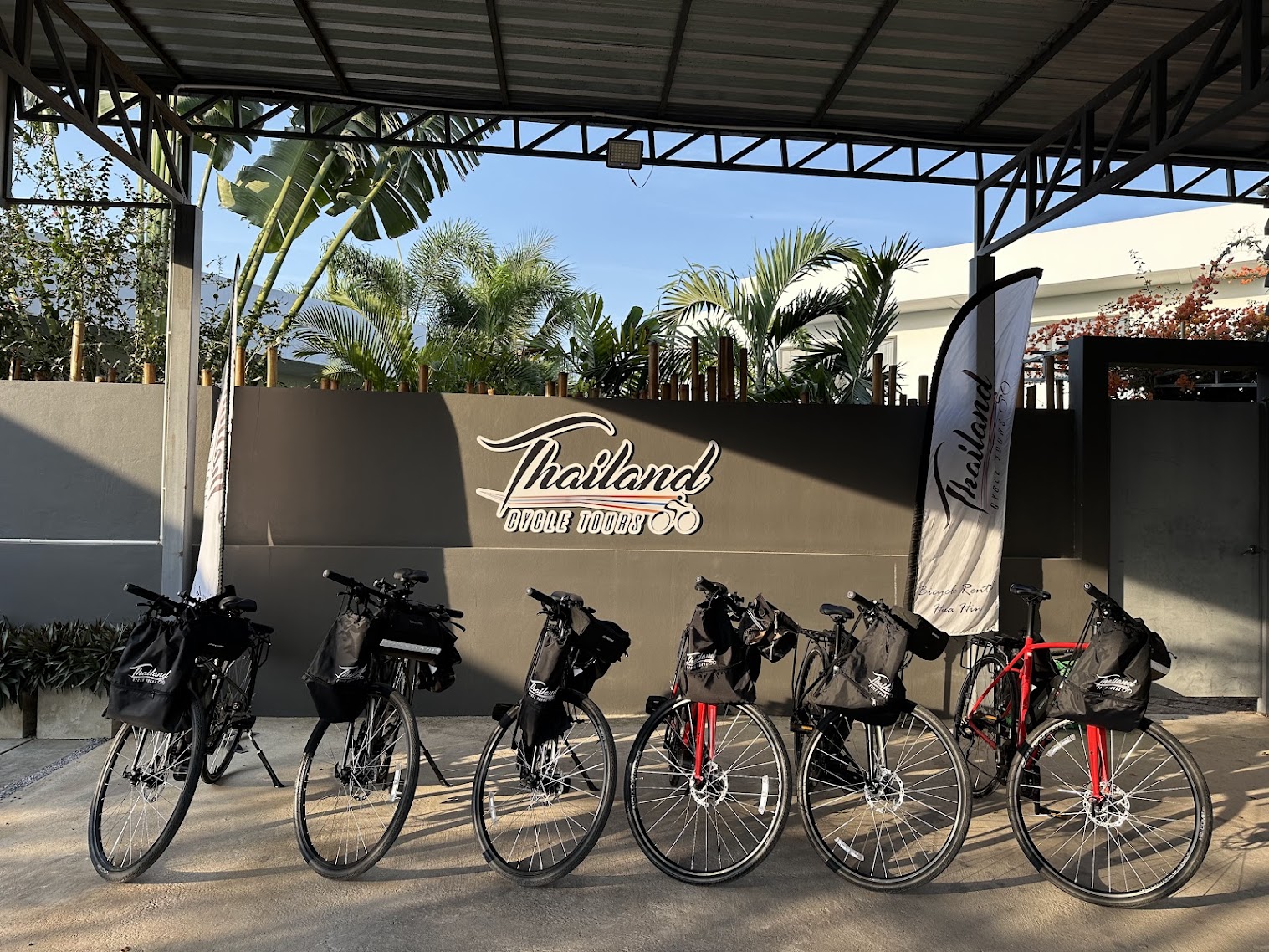
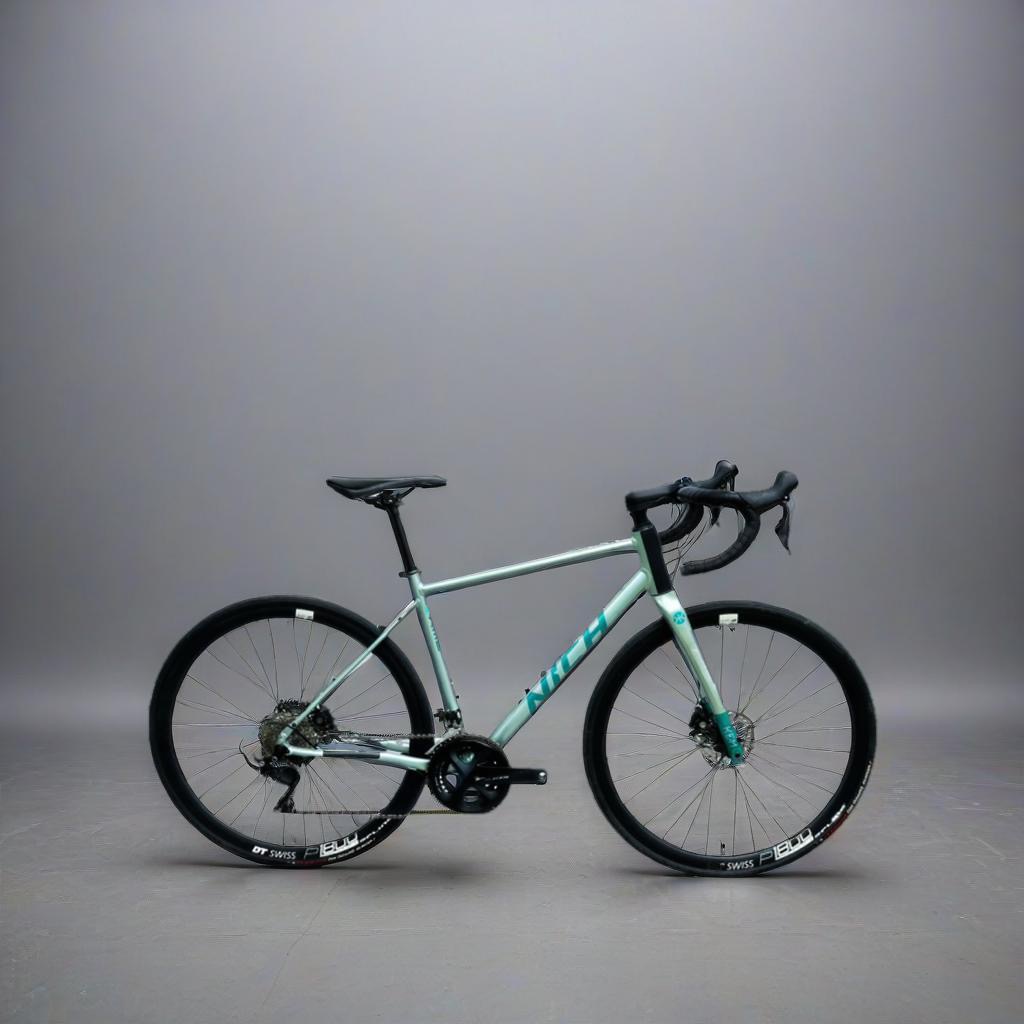
At Thailand Cycle Tours, we offer bike rental from our locations in Hua Hin, Phuket and Luang Prabang, with options for different styles of riding.
We can also help cyclists joining our tours prepare for their trip and make sure everything is ready before the first ride.
Final Bike Travel Checklist
Before heading to the airport:
- Check your airline’s current bicycle baggage policy.
- Confirm weight and size limits.
- Reserve bicycle baggage in advance if required.
- Use a suitable bike box or travel case.
- Protect vulnerable components carefully.
- Check restrictions for tools, batteries and CO₂ cartridges.
- Photograph your bike before closing the box.
- Arrange transport for your bike box at your destination.
- Allow extra time at the airport.
- Inspect your bike carefully before your first ride.
Most importantly, don’t leave packing until the night before your flight.
A little preparation makes travelling with a bicycle much easier.
Ready to Ride Thailand?
Whether you’re bringing your own bike or prefer to rent one when you arrive, Thailand offers incredible opportunities to explore on two wheels.
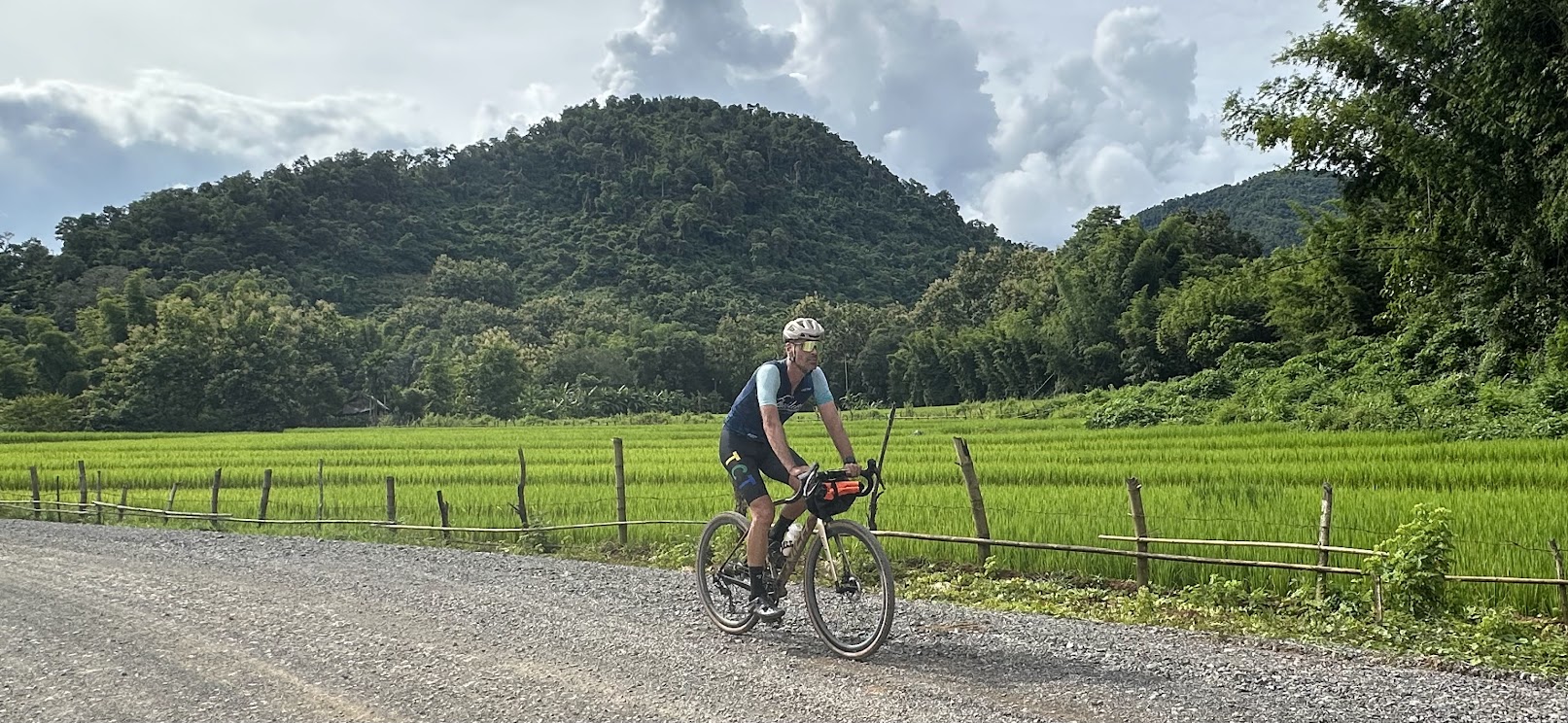
From quiet countryside roads and tropical coastlines to mountain routes and gravel adventures, there’s always somewhere new to ride.
Pack carefully. Travel safely. And we’ll see you on the road. 🚴